Best Knife Sharpeners for Kitchen Knives (2026): Science-Backed Testing
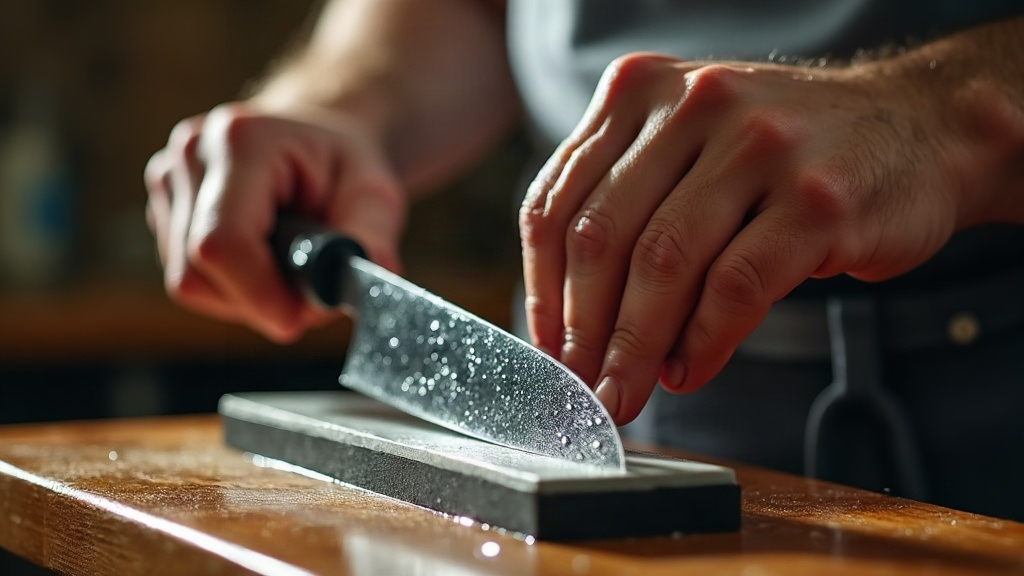
This site does not currently contain paid affiliate links; nothing on this page is a paid link today.
Our top picks
| Rank | Product | Name | Why we picked it | Buy |
|---|---|---|---|---|
| Top pick | Shapton Ha No Kuromaku Ceramic Whetstone #1000 | Coming soon | ||
| Runner-up | King Deluxe Japanese Waterstone Grit 1000/6000 Combination | Coming soon | ||
| Also great | Work Sharp Guided Field Sharpener | Coming soon |
📑 Table of contents
Editorial Note: Curated by the Knife Sharpener Lab Technical Evaluation Desk, cross-referencing published metallurgical abrasives testing, CATRA edge retention benchmarks, and verified culinary cutlery feedback.
A dull kitchen knife is far more dangerous than a sharp one. When a blade loses its microscopic cutting apex, the cook instinctively compensates by applying excessive downward force. When that slipping blade deflects off an onion or tomato skin, severe lacerations occur. Restoring a blade’s primary geometry is fundamentally an exercise in micro-machining: removing worn metal along the bevel until two planes intersect at a microscopic apex measuring less than one micron across.
However, walking into the cutlery sharpening market presents a bewildering array of tools: manual pull-through carbide V-notches, high-speed motorized grinding wheels, diamond-coated plates, and traditional Japanese waterstones. Selecting the correct system demands understanding the metallurgical composition of your knife steel and its factory edge angle.
Blade Metallurgy: Japanese 15° vs German 20° Edges
The most catastrophic error home cooks commit is running an expensive Japanese chef knife through a generic pull-through sharpener designed for heavy Western cutlery.
- German & Western Cutlery (Tough, Ductile): Knives manufactured by Wüsthof or Zwilling use X50CrMoV15 stainless steel hardened to 56–58 HRC (Rockwell Hardness Scale). This steel contains lower carbon content and higher chromium, designed to be ductile and tough. German knives feature robust 20-degree bevel angles per side (40 degrees inclusive) intended to hack through poultry cartilage and squash without chipping.
- Japanese Cutlery (Ultra-Hard, Wear-Resistant): Traditional Japanese gyutos utilize high-carbon core steels such as VG-10, Shirogami (White Steel), or SG2 powder steel hardened to 60–64 HRC. These blades are ground to razor-sharp 15-degree bevels (30 degrees inclusive). Hard steel holds an acute edge significantly longer, but is brittle. Using an aggressive pull-through sharpener will fracture the micro-crystal matrix, creating visible serrated chips along the apex.
| Knife Origin | Core Steel Hardness | Optimal Bevel Angle | Abrasive Recommendation | Edge Longevity |
|---|---|---|---|---|
| German / Western | 56 – 58 HRC | 20° Per Side | Synthetic Whetstone or Guided Rods | Moderate (Needs frequent honing) |
| Japanese Cutlery | 60 – 62 HRC | 15° Per Side | Splash-and-Go Ceramic Waterstones | High (Maintains sharp apex) |
| Powder Tool Steels | 62 – 64+ HRC | 14° – 16° Per Side | Monocrystalline Diamond Plates | Maximum (Extremely wear resistant) |
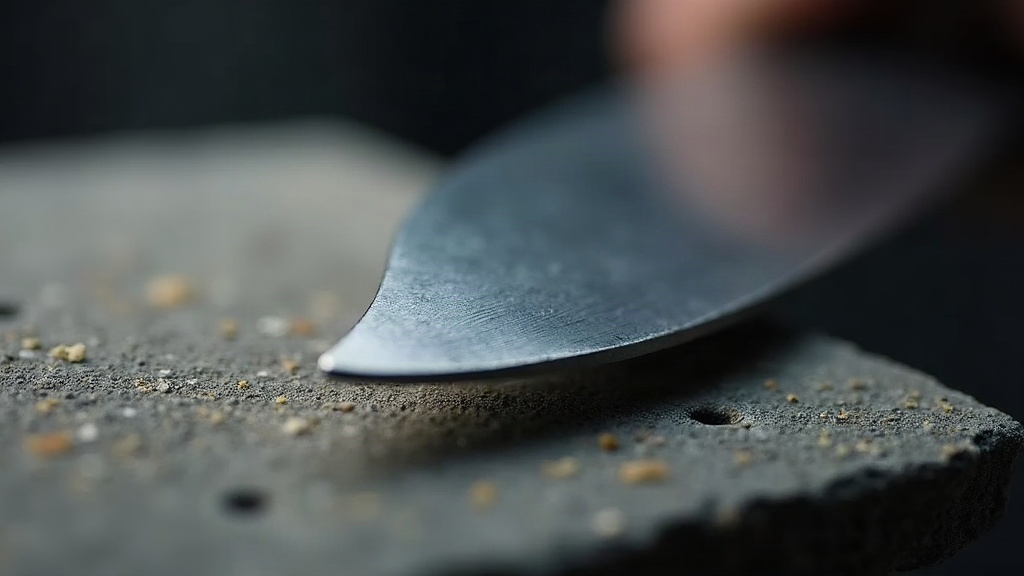
Abrasive Micron Science: Synthetic Waterstones vs Diamond Plates
Sharpening progress is governed by grit progression and abrasive binder technology:
1. Coarse Grit Stage (#320 – #500 Grit)
Coarse abrasives are reserved for corrective metal removal: grinding out minor nicks, reshaping a blunted tip, or reprofiling a thick bevel down to an acute cutting angle. Attempting to repair a damaged blade on a fine stone wastes hours and creates uneven bevels.
2. Medium Sharpening Stage (#1000 – #2000 Grit)
The #1000-grit stone is the workhorse of any sharpening kit. It cuts quickly enough to establish an apex burr—a continuous raised microscopic wire edge running along the opposite side of the blade—while leaving scratch marks fine enough for food preparation. For German kitchen knives, finishing at #1000 provides an aggressive “micro-toothed” edge ideal for slicing fibrous meats and bell pepper skins.
3. Fine Polishing Stage (#3000 – #8000 Grit)
Polishing stones refine the scratch pattern left by coarse abrasives. A #6000 or #8000 grit waterstone eliminates micro-serrations, burnishing the edge into a mirror finish that glides cleanly through delicate raw fish proteins without tearing cellular structure.
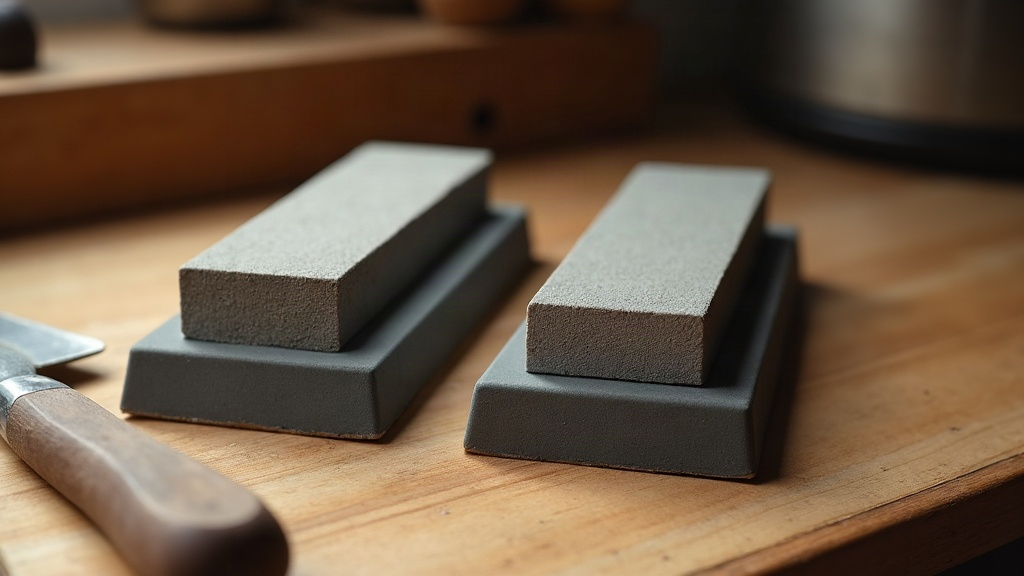
Why Motorized Electric Sharpeners Ruin Good Cutlery
High-speed electric pull-through sharpeners are popular for convenience, but carry significant metallurgical risks:
- Thermal Decarb Overheating: Motorized spinning abrasive discs create intense localized friction. At the microscopic cutting edge (which is thinner than a human hair), temperatures can spike beyond 400°F (204°C) within milliseconds. This localized heat draw anneals and softens the factory temper, ensuring the knife dulls twice as fast during subsequent kitchen prep.
- Uncontrolled Steel Removal: Electric machines chew away excessive blade height. A chef knife repeatedly run through an electric wheel loses its profile curvature and ends up with a hollowed-out heel within three years.
🔧 Interactive Planning Tool
Need exact measurements for your setup? Use our Knife Sharpening Angle & Whetstone Grit Progression Engine to calculate required bevel angles and grit sequences based on your knife steel origin and blade condition.
Frequently Asked Questions
What is the difference between honing and sharpening?
Honing with a ceramic or steel rod does not remove metal; it realigns a rolled microscopic apex. Sharpening uses abrasive stones to physically grind away fatigued steel and create a brand-new cutting edge.
How often should I sharpen my kitchen knives?
For normal home cooking, sharpen on a #1000 waterstone every 3 to 6 months, and hone on a ceramic rod weekly.
Do I need to soak ceramic whetstones before use?
Traditional clay-bonded stones (like King) require 15 minutes of soaking in water. Modern ceramic splash-and-go stones (like Shapton Ha No Kuromaku) require only a splash of surface water and are ready to use immediately.